Drought Tolerant Landscaping Ideas Inspired by Glendale Demonstration Gardens
Glendale is not a place where landscape design can ignore water. The heat arrives early, the dry spells stretch long, and a traditional green lawn can become expensive, thirsty, and difficult to justify. Glendale Water & Power remains in Phase III of its Mandatory Water Conservation Ordinance, which limits outdoor watering to two days a week, Tuesday and Saturday, for no more than 10 minutes per watering station. That single rule changes the way a front yard, backyard, parkway, slope, patio edge, or planting bed should be designed.
The good news is that water limits do not mean bare yards or a gravel-only aesthetic. Glendale’s drought-tolerant demonstration garden and its water-wise garden resources show a more useful lesson: a water efficient Landscape community guide landscape can have shade, texture, seasonal color, habitat value, and strong curb appeal. For homeowners thinking about landscape renovation, custom landscape design, or a full landscape installation, these public examples offer a practical starting point.
The best drought tolerant landscaping in Glendale looks intentional. It frames the house, manages sunlight, uses irrigation carefully, and replaces high-water turf with plants and surfaces that make sense for Southern California. Done well, it can also support outdoor living spaces, reduce maintenance, and help a property feel more settled in its climate.
What Glendale’s demonstration gardens teach homeowners
A demonstration garden is valuable because it removes the guesswork. Seeing mature drought-tolerant and California-friendly landscaping in person is different from looking at plant tags at a nursery. You can observe how plants occupy space, how foliage colors play against stucco or brick, how mulch softens hardscape, and how a low-water planting still feels lush when arranged with skill.
Glendale actively promotes drought-tolerant and California-friendly landscaping, including a downtown drought-tolerant demonstration garden and a water-wise garden site with more than 200 examples of California native landscapes. That range matters because there is no single “Glendale look.” A Spanish Colonial Revival home may call for a warm, courtyard-like planting style with structured shrubs and decomposed granite paths. A Craftsman home often benefits from layered planting, softer edges, and a garden that feels hand-built rather than stark. In neighborhoods with Tudor Revival or French-inspired architecture, the challenge is different again: conserve water without making the property feel disconnected from the building.
The strongest landscapes respond to the house. Glendale’s own design guidance asks whether landscape design complements the building design and conserves water. That is a useful standard for homeowners as well as professionals. Water efficiency should not look like an afterthought. A landscape contractor in Glendale should be able to explain why a plant belongs where it is, how the irrigation system will support it, and how the overall composition improves the property from the street and from inside the home.
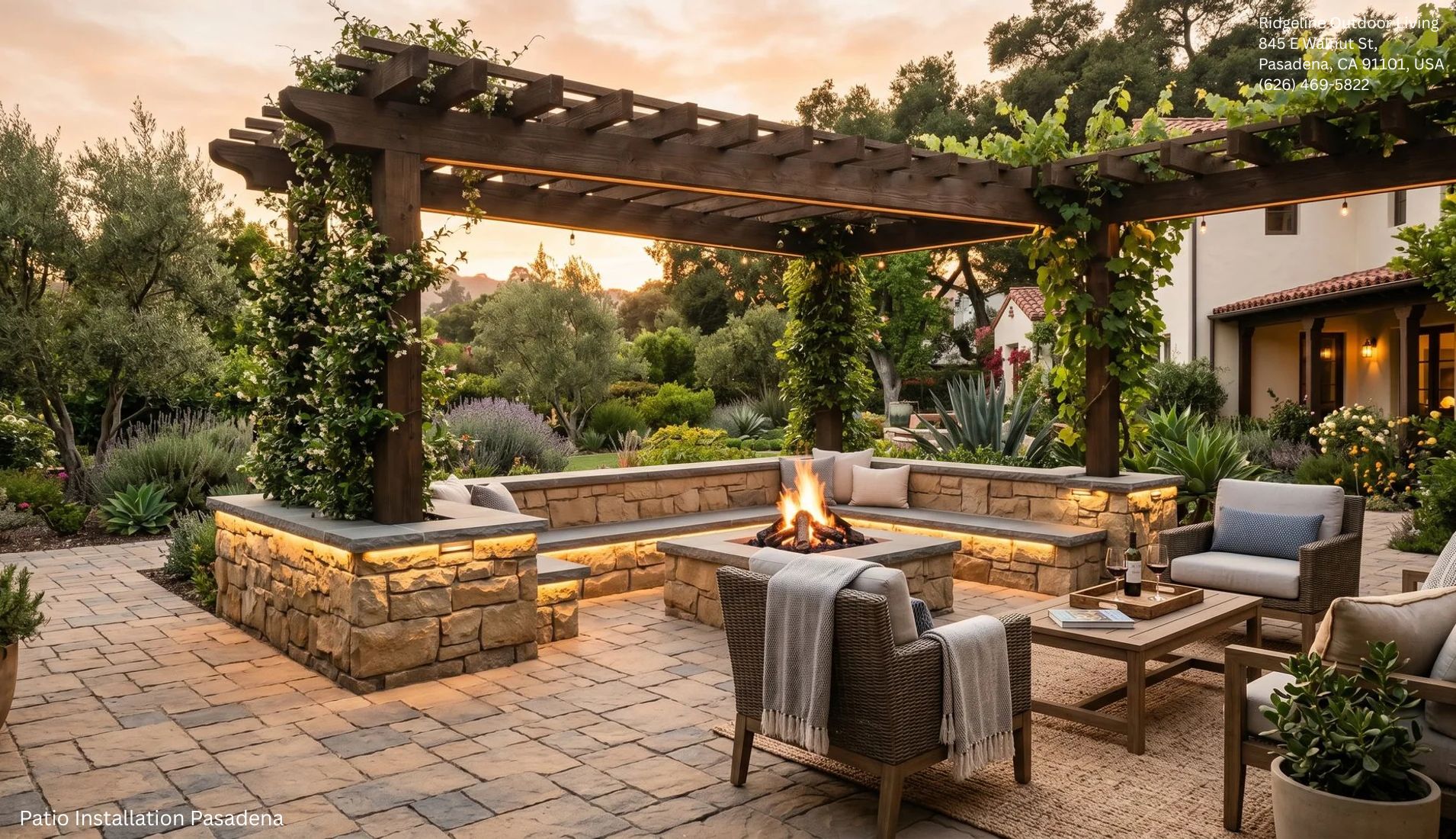
In a city with high property values, curb appeal has real weight. Glendale’s median value for owner-occupied housing units is above one million dollars, and even small front yard landscaping decisions can influence how a property presents itself. A neglected lawn says one thing. A carefully renovated water wise garden says another.
Start by replacing the lawn, not just removing it
Many drought tolerant projects begin with turf removal, but the quality of the finished landscape depends on what replaces the grass. A lawn is visually simple. It provides an open plane, a clean edge, and a sense of order. When it disappears, the new design must supply that order in another way.
Glendale’s Turf Replacement Program encourages homeowners to replace turf with drought-tolerant or native plants, drip or efficient irrigation, and rainwater capture. The rebate is $3 per square foot, which can make a serious difference on a front yard landscaping project. The program does not approve synthetic turf as a conversion option, an important detail for anyone comparing artificial turf, synthetic grass, and plant-based xeriscaping.
That does not mean artificial turf has no place anywhere in residential landscaping. Some homeowners consider it for small activity zones, pet areas, or shaded locations where living grass struggles. But if the goal is to qualify for Glendale’s turf replacement rebate, synthetic turf is not the approved path. A landscaper in Glendale CA should make that distinction early, before design expectations and budgets are set.
The water comparison is striking. Glendale states that native plants can survive drought with about 20 gallons of water per month, compared with up to 4,000 gallons per month for a green lawn in summer. The exact savings for a specific home will depend on area, soil, exposure, irrigation efficiency, and plant choices, but the direction is clear. A water efficient landscaping plan built around appropriate plants changes the long-term water demand of the property.
The mistake I see most often in lawn conversions is under-design. A homeowner removes turf, adds scattered shrubs, spreads gravel, and expects the yard to feel finished. It rarely does. A better approach is to build a garden with recognizable structure: a walkway, a tree or large focal shrub where appropriate, layered plant masses, low plantings near edges, taller forms near walls or corners, and enough open space to let the architecture breathe.
Planting for Glendale’s heat without making the yard look dry
Drought tolerant landscaping is not the same as cactus landscaping, although succulents can be beautiful when used thoughtfully. Glendale’s demonstration garden approach points toward a broader plant palette: California-friendly plants, native plants, shrubs with durable foliage, flowering perennials, ridgelineoutdoorliving.com landscapers Glendale CA ornamental grasses, and groundcovers that can handle restricted watering once established.
The word “established” matters. Even low-water plants need careful attention during the first months after landscape installation. New roots occupy a limited volume of soil. They cannot search deeply for moisture yet. A responsible landscape contractor Glendale homeowners can trust will set expectations for establishment watering, then adjust irrigation down as plants mature. Planting drought-tolerant species and watering them like lawn defeats the purpose, but starving new plants too early wastes money and leads to patchy results.
Texture does much of the visual work in a water wise garden. Fine grasses can move in the afternoon breeze. Broad leaves can contrast against upright forms. Gray, silver, deep green, and blue-green foliage can create depth even when few plants are flowering. Seasonal bloom is valuable, but a drought tolerant yard should not depend on flowers alone. In Glendale’s heat, foliage structure gives the garden its reliability.
Mulch is another quiet but critical element. Glendale’s water-saving guidance emphasizes mulch, along with drip irrigation, leak repairs, and watering early or late in the day. Mulch helps retain soil moisture, moderates soil temperature, and gives planting areas a finished appearance. Organic mulch suits many residential landscapes, especially where a softer garden feel is desired. Mineral mulch can work in more architectural settings, but it needs restraint. Too much exposed rock can reflect heat and make a yard feel harsh.
A strong planting plan also respects mature size. Drought-tolerant shrubs are often installed too close together because they look small at planting. Two years later, they crowd walks, hide windows, or force unnecessary pruning. Low maintenance landscaping starts with spacing discipline. The first season may look sparse, but that is where temporary mulch, boulders, or small accent plants can help the design feel complete while the permanent framework grows in.
Designing around Glendale’s watering rules
The two-day watering limit in Glendale requires more than simply shortening run times. A sprinkler installation designed for a traditional lawn is rarely ideal for a drought tolerant garden. Spray heads can overshoot, mist in the wind, wet pavement, or put water on plant crowns that prefer drier conditions. Drip irrigation usually fits low-water planting better because it delivers water close to the root zone with less waste.
Efficient irrigation systems should be planned by hydrozone. In plain terms, plants with similar water needs belong together. A shaded planting bed near the house should not run on the same schedule as a hot, west-facing slope. A newly planted area should not be permanently tied to an established native planting that needs far less irrigation. Good landscape design thinks about these differences before trenches are dug.
A practical Glendale irrigation plan usually considers five details:
- Drip irrigation for most shrub, perennial, and native planting areas.
- Separate valves for different sun exposures and plant water needs.
- Careful inspection for leaks, clogged emitters, and broken fittings.
- Watering early or late in the day to reduce evaporation.
- Adjustments after plants establish, rather than leaving the first schedule in place indefinitely.
That is the first of only a few checklists a homeowner really needs. The bigger point is that irrigation is not just a utility. It is part of the design. A beautiful planting that cannot be watered efficiently under local rules is not a successful Glendale landscape.
Retrofitting an older sprinkler system can be more complicated than homeowners expect. Existing valves may be poorly located. Old lateral lines may leak underground. Water pressure may not suit the new equipment. A landscape renovation that includes irrigation upgrades often looks more expensive on paper than a surface-level makeover, but the investment usually shows up in plant health, cleaner pavement edges, fewer failures, and lower water waste.
Hardscaping that supports a low-water landscape
When turf comes out, hardscaping often becomes more important. Patios, paths, steps, seating walls, and decomposed granite areas can provide the open space and usability that a lawn once supplied. The key is balance. A drought tolerant yard should not become an all-paving project unless the homeowner truly needs that much hard surface.
A paver patio can anchor backyard landscaping and create a comfortable place for dining, gathering, or sitting in the evening. Patio installation is also an opportunity to correct circulation. Many Glendale homes have side yards, rear entries, or outdoor areas that evolved over time without a clear plan. A good paver layout can connect doors, gates, planting areas, and outdoor living spaces in a way that feels natural.
Hardscape materials should fit the house. Historic architecture in Glendale is not a minor detail. Rossmoyne includes hundreds of homes and notable Spanish Colonial Revival, Tudor Revival, and French-inspired styles, while Craftsman and Spanish Colonial Revival homes are especially prevalent in city resources. The wrong hardscape can fight those buildings. A sleek, high-contrast paving pattern may look sharp in isolation but feel out of place against a traditional facade. Conversely, a warm, simple surface with planted joints or softened edges may conserve water while honoring the architecture.
Retaining walls require especially careful judgment. On sloped properties, walls can create usable terraces, stabilize grade changes, and make irrigation more effective by slowing runoff. But retaining walls are structural elements, not decorative accessories. Soil pressure, drainage, height, access, and local requirements all matter. A hardscape contractor should treat walls as engineered landscape features when conditions call for it, not as stacked blocks arranged by eye.
The best hardscaping in drought tolerant landscaping does three jobs at once. It reduces the area that needs irrigation, makes the yard more usable, and strengthens the design. A path through native plants invites movement. A small patio under shade makes the backyard livable. A low wall can define a planting bed while providing informal seating. Those features save water because they replace thirsty lawn, but they also improve daily life.

Front yards: curb appeal without a thirsty lawn
Front yard landscaping in Glendale carries a public role. It affects the street, the neighbors, and the way the house presents itself. A drought tolerant front yard should look maintained even during dry periods. That usually means clear edges, thoughtful plant grouping, and enough negative space to avoid visual clutter.
One effective approach is to treat the front yard like a composition with foreground, middle ground, and background. Low plants near the sidewalk preserve visibility. Medium shrubs create rhythm and mass. Taller plants near the house or property edges frame the architecture. A walkway should feel generous enough for two people to approach comfortably, and planting should not force visitors to brush against foliage.
Parkways deserve special attention. Glendale requires a permit from Public Works for installing any living or non-living plant materials over 12 inches high in parkways, and parkway landscaping is governed by Glendale Municipal Code Chapter 12.48. That matters because parkways are tempting places for drought tolerant planting, but they are not private planting beds in the ordinary sense. Visibility, pedestrian movement, utilities, and city rules shape what belongs there.
For homeowners planning a front yard conversion, the parkway should be addressed early in the design process. It may need lower planting, simpler materials, or a separate approval path. A custom landscape design that ignores the parkway until the end can run into avoidable delays or revisions.
A common front yard trade-off is privacy versus openness. Taller shrubs near the sidewalk may feel protective, but they can also make a yard look closed off or create maintenance problems. Lower, layered planting often works better. It gives the property depth without building a visual wall. In Glendale’s warmer months, a garden that looks airy often feels more appropriate than one packed edge to edge.
Backyards: water efficiency and outdoor living can work together
Backyard patio hardscaping Glendale landscaping has a different job. It must serve the people who live there. A front yard may be viewed more than used, but a backyard has to support meals, children, pets, gardening, quiet mornings, or evening gatherings. Drought tolerant design should not strip away that usefulness.
Outdoor living spaces often start with shade, circulation, and seating. A patio without shade can sit unused during hot periods. A path that cuts awkwardly through planting will be ignored. A seating area placed too far from the house may look attractive in a drawing but fail in daily use. Landscape design succeeds when it understands habits.
A water wise backyard may include a paver patio, planted borders, a small area of synthetic grass if rebate qualification is not the goal, and drip-irrigated native or California-friendly plants. It may also include raised planters, screening shrubs, or retaining walls where grade changes require them. The point is not to eliminate every green surface. The point is to assign water to the places where living plants provide the most value.
Sod installation still has a place in some landscapes, but in Glendale it should be considered carefully. A small, purposeful lawn area used regularly by a family is different from a large ornamental lawn that exists mainly to be mowed and watered. If homeowners want living turf, they need to understand the watering restrictions and maintenance expectations. If they want low maintenance landscaping, a broad lawn is usually not the easiest route.
Backyards also reveal the importance of irrigation access. Valves should be reachable. Filters should be serviceable. Drip zones should be mapped or at least logically arranged. A beautiful installation becomes frustrating when no one can diagnose a clogged line or adjust a station without guesswork.
Rainwater capture and soil: the less visible side of xeriscaping
Xeriscaping is sometimes reduced to plant selection, but soil and water movement are just as important. Glendale’s turf replacement requirements include rainwater capture as part of the conversion approach. In a residential setting, that can mean designing the landscape so rainfall stays on site long enough to benefit plants rather than rushing to pavement.
Grading is subtle work. A shallow basin around a planting area can collect water without looking like a ditch. A walkway can be set so runoff moves toward planted zones instead of the street. Mulched beds can absorb more water than compacted lawn soil. These are not flashy details, but they separate a merely drought-tolerant plant list from a genuinely water efficient landscape.
Soil preparation should be specific to the site. Some areas need decompaction. Some need organic matter. Some native plants prefer leaner conditions and resent overly rich amendments. This is where professional judgment matters. A landscape contractor should not treat every bed the same. The goal is to create conditions where roots can establish, water can infiltrate, and plants are not pushed into weak, fast growth that demands more maintenance.
Rainwater capture also affects hardscape decisions. Impermeable surfaces shed water quickly. Permeable or jointed surfaces may allow more infiltration depending on their construction. Even when a patio must be solid and stable, adjacent planting areas can be shaped to receive runoff. A hardscape contractor and planting designer should be working from the same plan, not solving separate problems.
Maintenance is different, not absent
Low maintenance landscaping does not mean no maintenance. It means fewer high-frequency tasks like mowing, heavy watering, and constant edging, with more emphasis on seasonal pruning, irrigation checks, mulch renewal, and plant observation. Drought tolerant gardens often look best when maintained lightly but consistently.
Pruning is one of the main skill points. Many California-friendly shrubs and native plants look awkward when sheared into balls. They often respond better to selective thinning and shaping that preserves their natural form. Over-pruning can increase stress, reduce bloom, and make the landscape look generic. Under-pruning can block paths and windows. The right approach depends on the plant and its role in the design.
Glendale’s gas-powered leaf blower prohibition also shapes maintenance. Homeowners and crews need to use compliant equipment, and Glendale Water & Power offers rebates for electric leaf blowers purchased in Glendale or elsewhere. This is a practical consideration for anyone hiring maintenance after a landscape installation. A water wise garden with mulch and planted beds should be maintained in a way that protects soil, does not blast mulch into the street, and respects local rules.
Irrigation maintenance deserves a calendar reminder. Drip systems are efficient only when they work. Emitters clog, tubing shifts, animals chew lines, and filters need attention. A small leak can waste water quietly. A blocked emitter can kill one plant while the rest of the bed looks fine. Checking the system several times during the warm season is cheaper than replacing stressed plants later.
Choosing between native plants, California-friendly plants, and artificial turf
Homeowners often ask for “native landscaping” when they really mean “low-water landscaping.” The two overlap, but they are not identical. Native plants can be excellent choices in Glendale because they are adapted to California conditions and support a regional sense of place. California-friendly plants may include non-native species that perform well with limited water and fit residential design goals. Both can be appropriate.
Artificial turf and synthetic grass occupy a different category. They reduce irrigation demand compared with living lawn, but they do not provide the same ecological function as plants, and they are not accepted under Glendale’s turf replacement rebate. They may be considered in certain backyard use cases, but they should not be treated as a one-size-fits-all answer to drought.
A clear comparison helps during early planning:
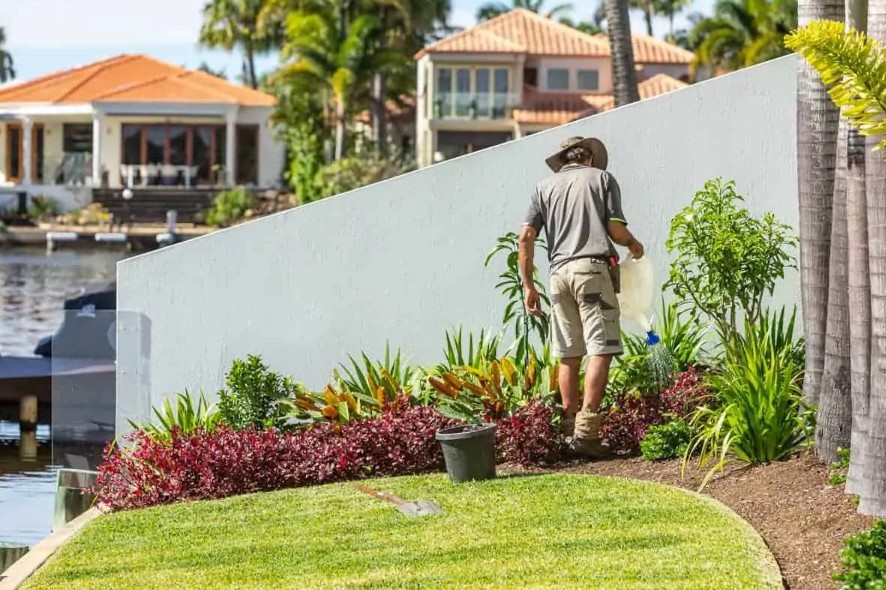
| Option | Best use | Key trade-off | |---|---|---| | Native plants | Water wise gardens with regional character | Need thoughtful establishment and proper spacing | | California-friendly plants | Broader design flexibility with low water use | Plant quality depends on selection, not the label alone | | Artificial turf | Small functional areas outside rebate goals | Not approved for Glendale turf replacement rebate | | Hardscaping | Patios, paths, outdoor living spaces | Can increase heat or runoff if overused | | Living sod | Limited high-use areas | Requires careful consideration under watering restrictions |
The strongest designs often combine several of these categories. A backyard might use hardscaping for dining, native shrubs for habitat and seasonal interest, California-friendly plants for structure, and no lawn at all. Another home landscape contractors might keep a small living turf area while converting the rest of the yard to drip-irrigated planting. The best answer depends on how the space is used.
Working with a landscaper in Glendale CA
A local professional should understand more than plant names. Landscaping Glendale CA properties requires familiarity with heat, watering limits, parkway rules, architectural context, irrigation constraints, and the practical realities of construction access. The right team can help a homeowner avoid expensive mismatches, such as installing plants that outgrow the site, building hardscape that clashes with the house, or designing irrigation that cannot perform under local restrictions.
For a larger landscape renovation, the planning process should begin with a site walk. Where does water currently run? Which areas bake in afternoon sun? Which views should be preserved? Where is privacy needed? Which parts of the yard are genuinely used? A good designer asks these questions before drawing shapes.
Budget should be discussed honestly. Turf removal, irrigation conversion, soil work, plants, mulch, paver patio construction, retaining walls, and lighting all draw from the same pool of funds. If the budget cannot support everything at once, phasing may be better than cutting quality everywhere. For example, it may make sense to complete the front yard and irrigation properly in the first phase, then add backyard hardscaping later. Or a homeowner may prioritize drainage and retaining walls before decorative planting because those elements protect the investment.
Permits and program requirements should also be checked before work begins. Rebate programs have rules. Parkway work has rules. Certain construction activities may need approvals. A professional landscape contractor should help identify those issues early, though homeowners should remain engaged because program eligibility and city requirements can affect the final design.
A Glendale-ready way to think about drought tolerant design
A successful drought tolerant landscape in Glendale is not defined by how little water it uses in theory. It is defined by how well it performs under real local conditions: two watering days a week, hot dry weather, high-value homes, varied architecture, and city rules that shape both installation and maintenance.
The demonstration gardens offer a helpful model because they show that conservation and beauty can work together. They also remind homeowners that plant choice is only one part of the craft. Spacing, irrigation, mulch, rainwater capture, hardscaping, soil preparation, and architectural fit all matter. When those pieces align, a low-water yard feels calm and intentional rather than compromised.
For homeowners considering residential landscaping, the best first step is not to ask, “What can I plant instead of grass?” A better question is, “What should this property become now that water matters?” That question opens the door to better design. It leads to front yards with curb appeal, backyards that function as outdoor living spaces, irrigation systems that respect Glendale’s rules, and planting that looks at home in Southern California rather than borrowed from another climate.
Drought tolerant landscaping is not a lesser version of a traditional yard. In Glendale, it is often the more intelligent version: climate-aware, architecturally sensitive, easier to maintain, and better suited to the way water is managed now.